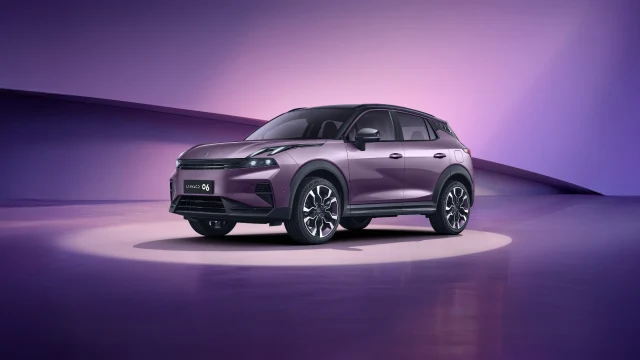
Identify the exact vehicle
State the model year and full configuration, such as 2026 06 Relive 1.5T Max or Ultra. Include your exterior colour, interior preference, essential equipment and acceptable alternatives. If you are purchasing against an existing customer order, attach the agreed specification rather than relying on a photograph. For used vehicles, add your year range, mileage ceiling and condition criteria; these are a different sourcing brief from a new-vehicle order.
Describe the order and destination
Provide the total quantity and its split by trim and colour. Name the destination country and preferred port, and explain whether the buyer is an importer, dealer or fleet operator. Share any registration or conformity requirements already identified by your destination-side adviser. This information allows sourcing and export preparation to be assessed together. A vehicle available in China is not automatically suitable for every destination.
Define what the quotation covers
Ask for the agreed trade term, named location and a clear inclusion list. Vehicle procurement, domestic movement, export documentation, freight and destination costs should not be silently treated as one interchangeable figure. If you request more than one shipping basis, keep the vehicle list identical. Ask which figures are firm, which depend on third-party confirmation, and how long the quotation remains valid.
Set priorities without assuming a delivery date
Tell us your preferred purchasing window and any customer deadline, then ask for a realistic sequence of confirmation, procurement and export preparation. These stages can take time and depend on the selected vehicles. A listing or a request acknowledgement does not reserve stock or create a delivery commitment. Submit your brief with a working email or WhatsApp contact so unresolved details can be clarified.
China-market manufacturer specifications. Equipment, software, connected services and export suitability must be confirmed for the selected vehicle and destination.